Turning data into action
The Waste Tracker page is designed to convert raw data into public pressure. Learn about the specific dollar amounts lost to administrative waste and submit your own evidence of county asset misuse. Become an active auditor of the public purse.
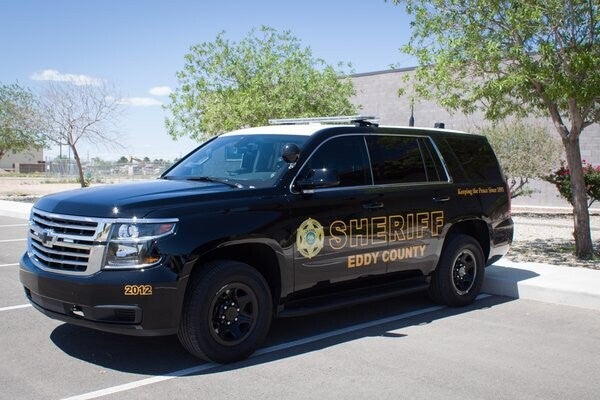
Commuter leakage
Documented use of county vehicles for out-of-county travel. See the visual proof of taxpayer dollars being wasted on unnecessary trips. Report instances you witness to help us hold officials accountable.
Audit Focus: Out-of-County Commuter Waste & Economic Leakage
Date: January 12, 2026
1. Per-Mile Waste Calculation
To determine the true cost of a single deputy commuting from Carlsbad to Roswell, we utilize the standard IRS business mileage rate and actual pursuit-vehicle fuel consumption.
-
IRS Standard Mileage Rate (2024/25): $0.67 per mile (Covers fuel, tires, oil, and capital depreciation).
-
Total Round Trip (Carlsbad to Roswell): ~150 Miles.
-
Cost per Single Trip: $100.50.
-
Monthly Waste (20 Shifts): $2,010.00.
-
Annual Waste per Deputy: $24,120.00.
2. The "Economic Leakage" Factor (Fuel Revenue Export)
The Eddy County taxpayer is hit twice: once for the fuel cost, and a second time because that fuel is purchased outside our county borders.
-
Fuel Export: Every gallon purchased in Chaves County by a deputy is a gallon that contributes 0% Gross Receipts Tax (GRT) back to Eddy County.
-
Revenue Loss: Based on a 5.125% State GRT plus local increments, Eddy County loses thousands in potential tax revenue by subsidizing Chaves County businesses with Eddy County tax dollars.
-
Maintenance Export: When these high-mileage units require out-of-schedule service due to 150-mile daily commutes, the wear-and-tear costs are borne by Eddy County, while the "economic activity" of the commute benefits a different jurisdiction.
3. Aggregate Impact for the "Roswell Shuttle"
If 20 deputies commute from Carlsbad to Roswell:
-
Direct Taxpayer Cost: ~$482,400.00 per year.
-
Estimated Capital Loss: Units "age out" of the fleet 3x faster than non-commuter units, requiring a $75,000 replacement (Tahoe/Truck) years ahead of schedule.
4. Summary
For every mile a deputy drives to Roswell, the Eddy County taxpayer loses money that should be funding the 285 Bridge or 26th Street repairs. We are essentially paying Chaves County for the privilege of letting our deputies live there.
The Eddy/Chaves Taxpayer Coalition Forensic Audit Department
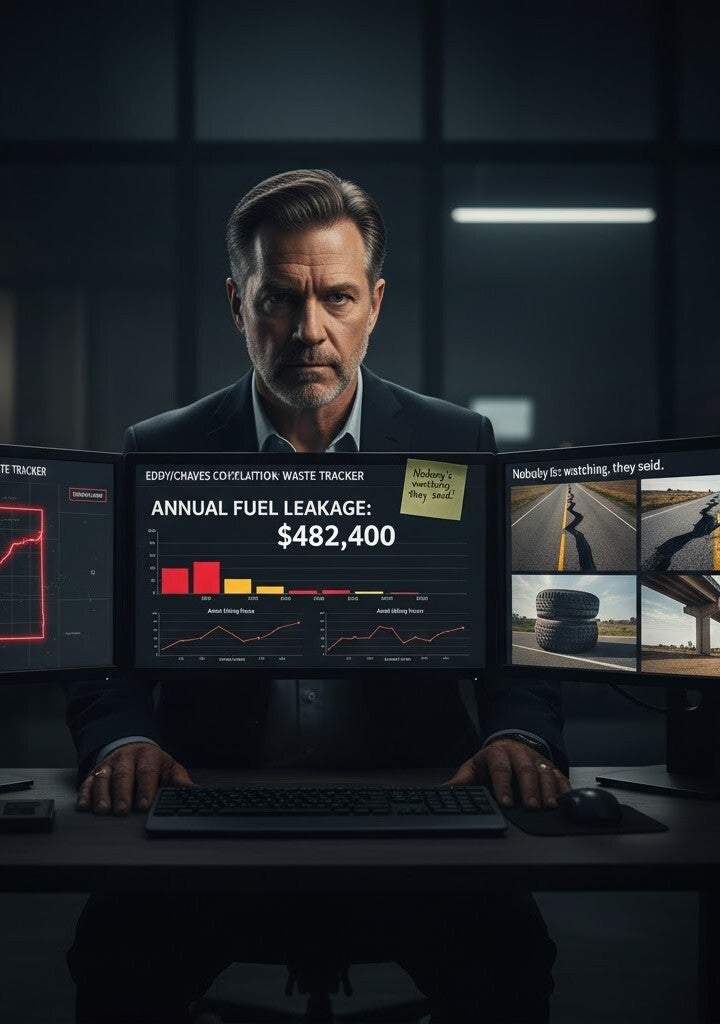
Asset idling
Fuel and maintenance waste from excessive engine run-time. Explore time-stamped video logs of idling vehicles and contribute your own observations to expose this costly practice. Demand explanations from responsible officials.
Asset Idling Statistics (The "Ghosting" Audit)
"Ghosting"—the practice of leaving a pursuit-rated vehicle running while unattended—is a significant driver of fiscal waste. Unlike standard vehicles, idling a police interceptor (Tahoe/Explorer) incurs high costs due to high-output alternators and engine wear-and-tear.
-
Fuel Consumption: An idling V8 pursuit vehicle consumes approximately 0.5 to 1.0 gallons of fuel per hour.
-
Engine Hour Equivalence: Industry standards (Ford/GM) dictate that 1 hour of idling is equivalent to approximately 33 miles of driving in terms of engine wear.
-
The Cost of a 2-Hour Daily Idle:
-
Direct Fuel Waste: ~$6.00/day (at $3.00/gal).
-
Maintenance Impact: Equivalent to an extra 66 miles of wear daily.
-
Annual "Ghosting" Cost: ~$1,500 in fuel and ~$2,200 in accelerated maintenance/depreciation per unit.
-
-
Coalition Finding: Unattended idling at private residences in Chaves County effectively adds 15,000 "virtual miles" to the engine's life every year without the vehicle ever leaving the driveway.

Infrastructure neglect
Documenting project delays while resources are misused elsewhere. View evidence of neglected infrastructure and report new instances to ensure our community's needs are met. Download the weekly evidence packet to present at County Commission meetings.
Infrastructure Neglect Statistics (The Opportunity Cost)
While Eddy County assets are idling in Chaves County driveways, our local infrastructure is reaching a point of "Critical Failure." The Coalition tracks the following neglect statistics as a direct counter-point to administrative waste:
-
The Highway 285 Bridge (Artesia): Currently rated for restricted loads. Infrastructure neglect has resulted in an estimated 18% increase in transit time for heavy industrial equipment, costing local oilfield service companies thousands in daily operational delays.
-
Hwy 285 Surface Deformation & "Taxpayer Tire Drain": Constant transit of heavy oilfield equipment has created massive asphalt indentations and rutting along the primary 285 corridor. While these "troughs" create severe hydroplaning hazards, the more immediate cost is the accelerated destruction of tires and suspension systems. Residents are forced to pay a "Hidden Road Tax" out of their own wallets for frequent tire replacements and alignments necessitated by the county’s refusal to maintain the asphalt.
-
Economic Stagnation: For every $100,000 wasted on the "Roswell Shuttle" and vehicle ghosting, Eddy County loses the ability to repair approximately 0.5 miles of high-traffic industrial roadway.
-
Safety Hazard Index: Infrastructure-related accidents in Eddy County have seen a localized spike. We correlate these "Danger Zones" directly with areas where maintenance projects have been deferred for "budgetary reasons."
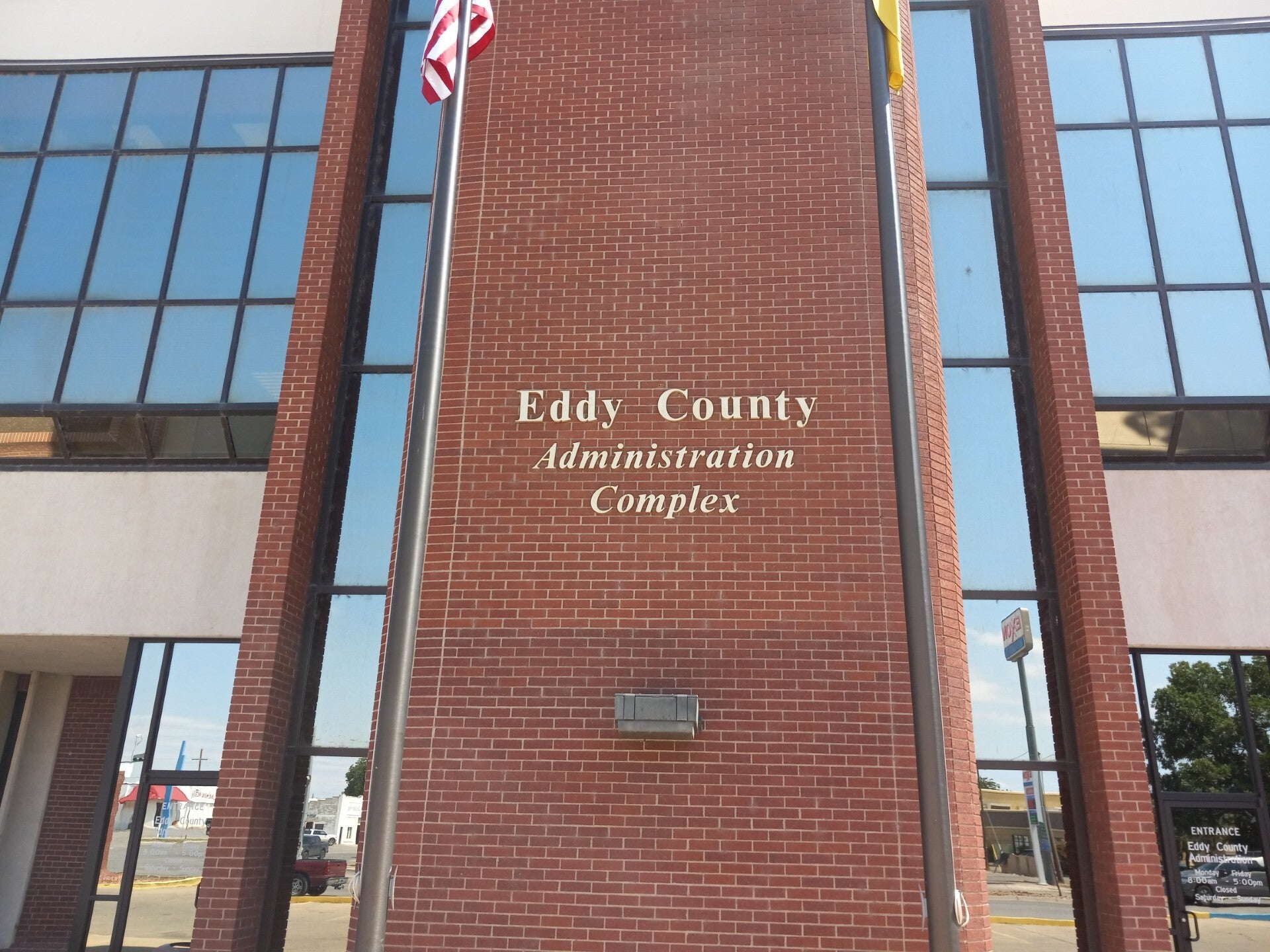
Liability exposure
Recording safety violations by county-funded units that put taxpayers at legal risk. See the documented violations and contact officials directly using our "Direct Accountability" directory. Sign up for alerts about our upcoming campaigns.
Direct Accountability: The Board of Commissioners
The responsibility for this neglect stops at the doors of the Eddy County Board of Commissioners. We have specifically documented how Commissioner James "Bo" Bowen handles organized groups of citizens seeking basic accountability and transparency: with dismissiveness and silence.
When leadership views a request for a fiscal audit as an inconvenience rather than a duty, it is a sign of institutional decay. The Coalition believes the taxpayers deserve a board that values the safety of our roads over the comfort of out-of-county administrative perks. If the current board cannot lead, it is time for the taxpayers to find a board that will.
Meet your Commissioners
Direct Accountability: The Board of Commissioners
The responsibility for this neglect stops at the doors of the Eddy County Board of Commissioners. We have specifically documented how Commissioner James "Bo" Bowen handles organized groups of citizens seeking basic accountability and transparency: with dismissiveness and silence.
When leadership views a request for a fiscal audit as an inconvenience rather than a duty, it is a sign of institutional decay. Below is the directory of the individuals who hold the checkbook for your tax dollars, listed in order of leadership and district:
-
James "Bo" Bowen (District 5 - Chairman):
-
The Role: As Chairman, Bowen sets the agenda for commission meetings and oversees the general direction of county policy.
-
The Bio: A businessman with deep ties to the oil and gas industry, Bowen is often viewed as a representative of the industrial sector. However, the Coalition has noted a significant disconnect between his industry-focused rhetoric and the actual state of the 285 corridor. His "wait and see" approach to infrastructure has left taxpayers footing the bill for damaged equipment and tires.
-
-
Sarah Cordova (District 4 - Vice-Chair):
-
The Role: Vice-Chair of the Board, representing the growing southeastern corridor.
-
The Bio: Cordova brings a focus on public health and community safety to the board. However, the Coalition questions how community safety can be prioritized while the primary response vehicles are being aged out prematurely through out-of-county commutes.
-
-
Ernie Carlson (District 1):
-
The Role: Represents a significant portion of northern Eddy County, including parts of Artesia.
-
The Bio: Carlson has a background in local services and business management. While he often speaks on the importance of fiscal prudence, he has remained largely silent as documented waste in the Sheriff’s Office has ballooned.
-
-
Hayley Klein (District 2):
-
The Role: Represents the heart of Artesia and central Eddy County.
-
The Bio: With a background as the Executive Director of the Artesia Chamber of Commerce, Klein is intimately familiar with the business needs of the community. However, her proximity to the "Roswell Shuttle" and the crumbling 285 bridge makes her lack of public action even more glaring. Taxpayers expect a Chamber veteran to understand that crumbling roads are bad for business.
-
-
Philip Troost (District 3):
-
The Role: Represents a vital district covering parts of Carlsbad and southern Eddy County.
-
The Bio: With a background in public service and community logistics, Troost is positioned to understand the life-cycle of county equipment. Unfortunately, he has overseen a period where "taking care of the fleet" has come to mean letting it idle in another county. Taxpayers in District 3 should ask why southern road funds aren't being prioritized over Roswell commutes.
-
The Coalition believes the taxpayers deserve a board that values the safety of our roads over the comfort of out-of-county administrative perks. If the current board cannot lead, it is time for the taxpayers to find a board that will.

James "Bo" Bowen
District 5 - Chairman
-
The Role: As Chairman, Bowen sets the agenda for commission meetings and oversees the general direction of county policy.
-
The Bio: A businessman with deep ties to the oil and gas industry, Bowen is often viewed as a representative of the industrial sector. However, the Coalition has noted a significant disconnect between his industry-focused rhetoric and the actual state of the 285 corridor. His "wait and see" approach to infrastructure has left taxpayers footing the bill for damaged equipment and tires.

Hayley Klein
District 2
-
The Role: Represents the heart of Artesia and central Eddy County.
-
The Bio: With a background as the Executive Director of the Artesia Chamber of Commerce, Klein is intimately familiar with the business needs of the community. However, her proximity to the "Roswell Shuttle" and the crumbling 285 bridge makes her lack of public action even more glaring. Taxpayers expect a Chamber veteran to understand that crumbling roads are bad for business.

Sarah Cordova
District 4
-
The Role: Vice-Chair of the Board, representing the growing southeastern corridor.
-
The Bio: Cordova brings a focus on public health and community safety to the board. However, the Coalition questions how community safety can be prioritized while the primary response vehicles are being aged out prematurely through out-of-county commutes.

Ernie Carlson
District 1
-
The Role: Represents a significant portion of northern Eddy County, including parts of Artesia.
-
The Bio: Carlson has a background in local services and business management. While he often speaks on the importance of fiscal prudence, he has remained largely silent as documented waste in the Sheriff’s Office has ballooned.
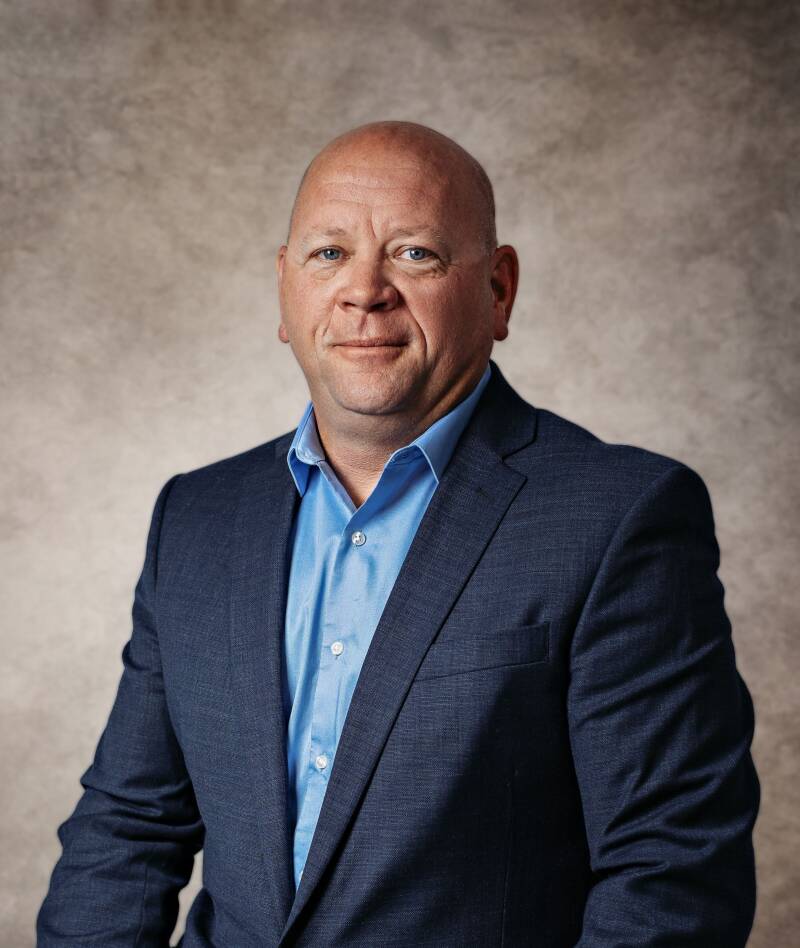
Philip Troost
District 3
-
The Role: Represents a vital district covering parts of Carlsbad and southern Eddy County.
-
The Bio: With a background in public service and community logistics, Troost is positioned to understand the life-cycle of county equipment. Unfortunately, he has overseen a period where "taking care of the fleet" has come to mean letting it idle in another county. Taxpayers in District 3 should ask why southern road funds aren't being prioritized over Roswell commutes.
Join the movement
Sign up for urgent text/email alerts regarding the January 20, 2026, Transparency Deadline and our upcoming billboard campaign on Highway 285. Share documented waste instances on social media to force accountability.